What Is a Conventional Septic System?
A conventional septic system is the most common type of wastewater treatment system used for homes that are not connected to a public sewer system. It typically consists of a septic tank and a drain field that work together to treat and filter household wastewater. Solid waste settles in the septic tank while liquids flow into the drain field, where the surrounding soil naturally filters and treats the water before it returns to the ground. When properly designed and installed, conventional septic systems provide a dependable and cost-effective solution for managing wastewater.
When Conventional Systems Work Best
Conventional septic systems are often the preferred option when a property has suitable soil conditions and adequate space for a drain field. These systems rely on natural soil filtration, so the characteristics of the soil play an important role in how the system performs.
Conventional systems are commonly used when:
Soil drains properly and supports natural filtration
There is enough space available for a drain field
Groundwater levels are at a safe depth
Soil conditions evaluated by a soil engineer support a conventional system
Importance of Proper Installation
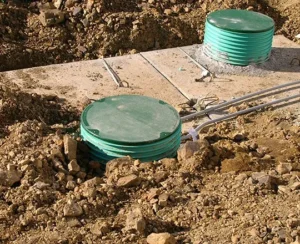
A properly installed conventional septic system can provide reliable wastewater treatment for many years. Careful site evaluation, correct system design, and professional installation are important to ensure the system meets health department regulations and functions efficiently. Proper installation helps prevent issues such as drainage problems, system backups, or premature system failure.
Serving Richmond and surrounding counties.
System design and site suitability are determined through proper soil evaluation by a licensed soil engineer. We install systems based on approved designs to ensure proper function and long-term performance.